Authentic Saju, Modern Clarity
1Fate brings the wisdom of traditional Four Pillars (Korean Saju)The study of Four Pillars (Saju Palja). Analyzes destiny by converting birth date and time into Heavenly Stems and Earthly Branches.to everyone seeking deeper self-understanding. We combine Korea's deep cultural heritage with cutting-edge AI technology to provide clear and reliable insights into your life.
Note: This content explains cultural-historical background and traditional knowledge.
Korean life, beginning with Myeongli
When a child is born in Korea, parents consult Saju. They choose a name that aligns with the child's birth chart, reading the tendencies written in the moment of birth. When the child grows up and finds love, the families check gunghap — compatibility between two charts. Moving to a new home? They confirm a day free of ill influence. Opening a business? They select an auspicious date. As each new year begins, Koreans check their yearly fortune and prepare for a fresh start.
"Egu nae paljaya" — an exasperated sigh Koreans use when life throws a curveball, roughly: "Ugh, such is my fate!" — a phrase every Korean has uttered at least once. Surveys show that 84.5% of Korean adults have experienced Saju or fortune reading at least once[2]Embrain Trend Monitor, January 2022 survey. 1,000 adults aged 19–59 nationwide in South Korea.. Saju has accompanied every chapter of life. From the name you receive at birth, through love and decisions, to the start of each new year — it has always been there.
Korea's orthodox Myeongli tradition, state-managed for centuries
A state bureau called Gwansanggam handled date selection, naming, and compatibility, while state examinations selected specialists.
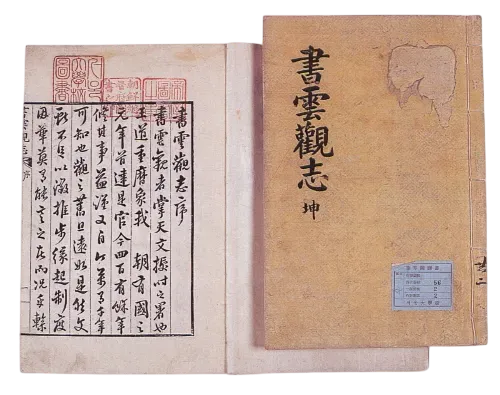
Gwansanggam · State Bureau
Joseon established Gwansanggam (觀象監), a state bureau responsible for date selection, naming, and compatibility. For 500 years, the state directly managed this discipline's quality.
Gyeonggukdaejeon · State Exams
Joseon's national code, Gyeonggukdaejeon, formally codified the Eumyanggwa (陰陽科) examination. Specialists were selected and trained through state examinations.
Chiljeongsan · Independent Calendar
King Sejong compiled Chiljeongsan (七政算), an independent calendar system. It elevated the precision of seasonal and temporal calculations essential to Saju analysis.
Gwansanggam discussed Saju only upon precise calendrical data. The Hojakdo Engine carries on this principle.
Hongik Ingan (弘益人間) — 'Benefit all humanity.' This founding ideal, honoring the bond between heaven and humanity, is commemorated every October 3rd on Gaecheonjeol (開天節) and endures as Korea's guiding educational philosophy.
The laws of Saju, precisely interpreted
The wisdom of Myeongrihak — once accessible only to experts — made understandable in your own language. The Hojakdo Engine makes it real.
Ho (虎 Tiger) · Calculation
Handles every calculation in your Four Pillars with precision. Using the Jeonghae ManseryeokThe standard of Korean perpetual calendars. A traditional calendar system that accurately calculates solar terms and true solar time. standard, it produces all traditional analysis elements without error. With true solar timeTime calculated based on the actual position of the sun. Can differ from standard time by more than 1 hour depending on longitude. correction based on longitude data from 163,400 cities worldwide, it locks in your exact hour pillar regardless of birthplace. It also applies comprehensive YongsinThe element needed to balance the Four Pillars. Fills deficient energy or regulates excess. determination across three classical methods.
- • Jeonghae Manseryeok standard
- • Precise true solar time correction
- • Comprehensive Yongsin determination (3 methods)
- • Traditional analysis elements (spirit indicators, relational elements, life-force stages) fully applied
Jak (鵲 Magpie) · Interpretation
Interprets the Ho engine's calculations in natural language. It translates complex Saju theory into clear, readable text and generates personalized readings tailored to your specific chart.
- • Saju terminology translated to everyday language
- • Personalized readings based on chart composition
- • Interpretation in 3 languages: Korean, English, Japanese
Named after the traditional Korean HojakdoTraditional Korean folk painting. Features tigers and magpies, where the tiger (虎) symbolizes warding off evil and bravery, and the magpie (鵲) symbolizes good fortune and joyful news.painting, the Hojakdo Engine implements traditional Saju as a unified analysis system. Precise in calculation, clear in interpretation.
Understand your tendencies, see the flow
命
Myeong · Innate Tendencies
Innate talents and conditions
Like an apple tree, a pine, or a rose — each bears different fruit. People, too, are born with distinct natures.
運
Un · Life Flow
Changes in timing and environment
Spring rain, drought, or storms — the same tree grows differently with the seasons. Timing shapes how your nature unfolds.
Life is the interplay of innate tendencies and flowing timing. When you understand your tendencies, the flow becomes visible. When you read the flow, you can prepare. This wisdom has been refined over a millennium in the history of Korea.
Why you think the way you do. What phase you're in right now.
Wealth, relationships, health, career — your innate nature and life flow, read through classical Korean Saju. Grounded in five canonical texts. Five minutes is all it takes.
See My Saju FreeAll content provided by 1Fate is digital insight content for self-understanding and well-being. This service does not replace professional consultations in medical, legal, financial, or other specialized fields, and users are responsible for all decisions.